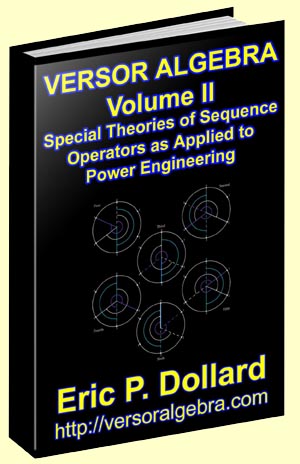
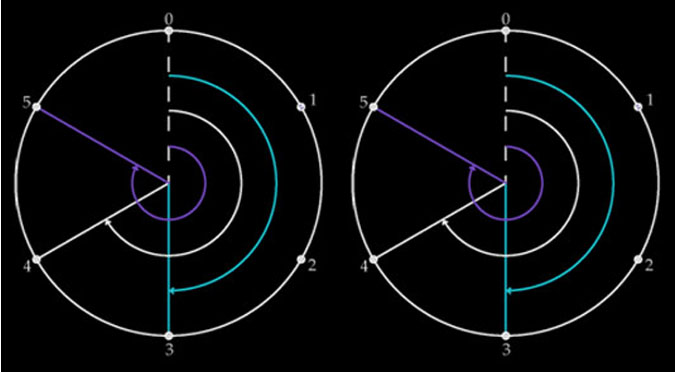
NEW RELEASE – Versor Algebra Part 2 by Eric Dollard is here!
This is a continuation of Part 1 – Charles Proteus Steinmetz’s original math model is a natural outgrowth of Nikola Tesla’s polyphase power systems. Tesla was the discoverer, but Steinmetz was the builder who first applied Versor Algebra to the analysis of alternating current power systems.
Get the new book here: Versor Algebra, Part 2
In my presentation and book Four Quadrant Representation of Electricity, my extension of Steinmetz’s work is presented in the most simple way possible using very simple analogies, pictures and diagrams. It was a very difficult task as the goal was to facilitate an understanding for the layman.
That presentation was given at the 2013 Energy Science & Technology Conference and shortly thereafter, the book version was released, which went into more detail that was not covered in the presentation.
Tesla’s polyphase power system was originally four poles or four phases. Steinmetz is the one who adapted it into a three pole or three phase system, which is the prominent system of today. The complication is that three phase systems cannot be explained by conventional mathematics. With three phase systems, there is no plus or minus and that is the reason why the conventional math doesn’t work anymore.
That left a big gap in polyphase power systems until Dr. Fortescue came up with the system of Symmetrical Coordinates. This laid the groundwork for polyphase mathematics for any number of phases. And ultimately, it can be extended into the Pythagorean understanding of numbers.
Get the new book here: Versor Algebra, Part 2
The “Fortescue Method” was never fully developed because of its complexity. The proper name for this is “Sequence Algebra” and the rudiments were presented in my presentation and book Four Quadrant Representation of Electricity. Even though the system has become adopted for general engineering usage, Versor Algebra as Applied to Polyphase Power Systems and/or Versor Algebra Vol. II, Special Theories of Sequence Operators as Applied to Power Engineering is the first theoretical basis that has ever been presented on the subject.
Versor Algebra as Applied to Polyphase Power Systems and/or Versor Algebra Vol. II, Special Theories of Sequence Operators as Applied to Power Engineering is the next logical step after Four Quandrant Representation of Electricity as it takes the reader into the mathematical journey of the mathematical model and theory that is necessary to realize the unique electrical waves that exist in polypahse power systems.
These waves are actually beyond the original understanding of Tesla and Steinmetz with regard to polyphase power systems. It is important to understand that this is all possible with simple 9th grade algebra. Eric takes the reader through a step-by-step process from very basic algebra and log-rhythms into the more complex subject. The process involves very simple but numerous steps to guide the reader into the understanding of polyphase mathematics.
Through Eric’s own journey in writing this Versor Algebra book, I have been able to unify the polyphonic music of Bach and his contemporaries as this music follows the logic of sequence algebra perfectly. In fact, the book was written when listening to this music, which aided the process greatly.
Get the new book here: Versor Algebra, Part 2
For information on Versor Algebra Part 1 on Amazon – go here: http://ericpdollard.com/2019/07/25/new-paperback-versor-algebra-as-applied-to-polyphase-power-systems-part-1-by-eric-dollard/
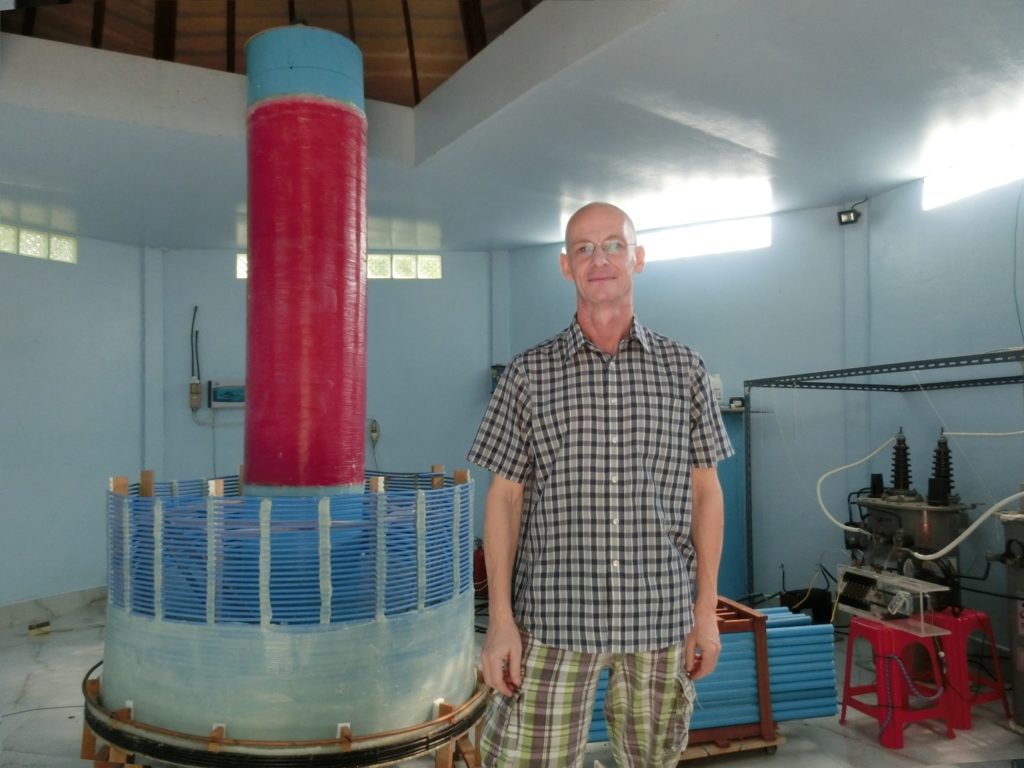 Ernst Willem van den Bergh is a member at Energetic Forum who has shared some of his work in the Tesla sciences. Here is the thread that prompted me to get a copy for Eric Dollard and myself:
 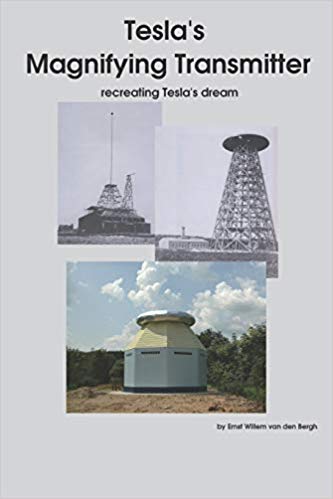 “This book is the result of more than a decade of theoretical and experimental research. It sets out to answer questions about Tesla’s Magnifying Transmitter. What is it? What does it do? How does it do so? Does it really provide free energy? These questions and more you will find answered in this comprehensive book. Every fact you will see backed by Tesla’s own words. Quotes of all relevant articles, lectures and patents have been included. More than that you will read about my own experiments, copies of Tesla’s and their results. This book is divided into 3 parts and every part concludes with a summary in layman’s terms so that everyone can understand what it is that Tesla wanted to give the world and how it was intended to work. Needless to say that this book is a must-read for every Tesla enthusiast and everyone who wants to understand the work of Nikola Tesla, a genius far ahead of his time. With the purchase of this book you are supporting my work to bring back Tesla’s Magnifying Transmitter, and for that I thank you!” – Ernst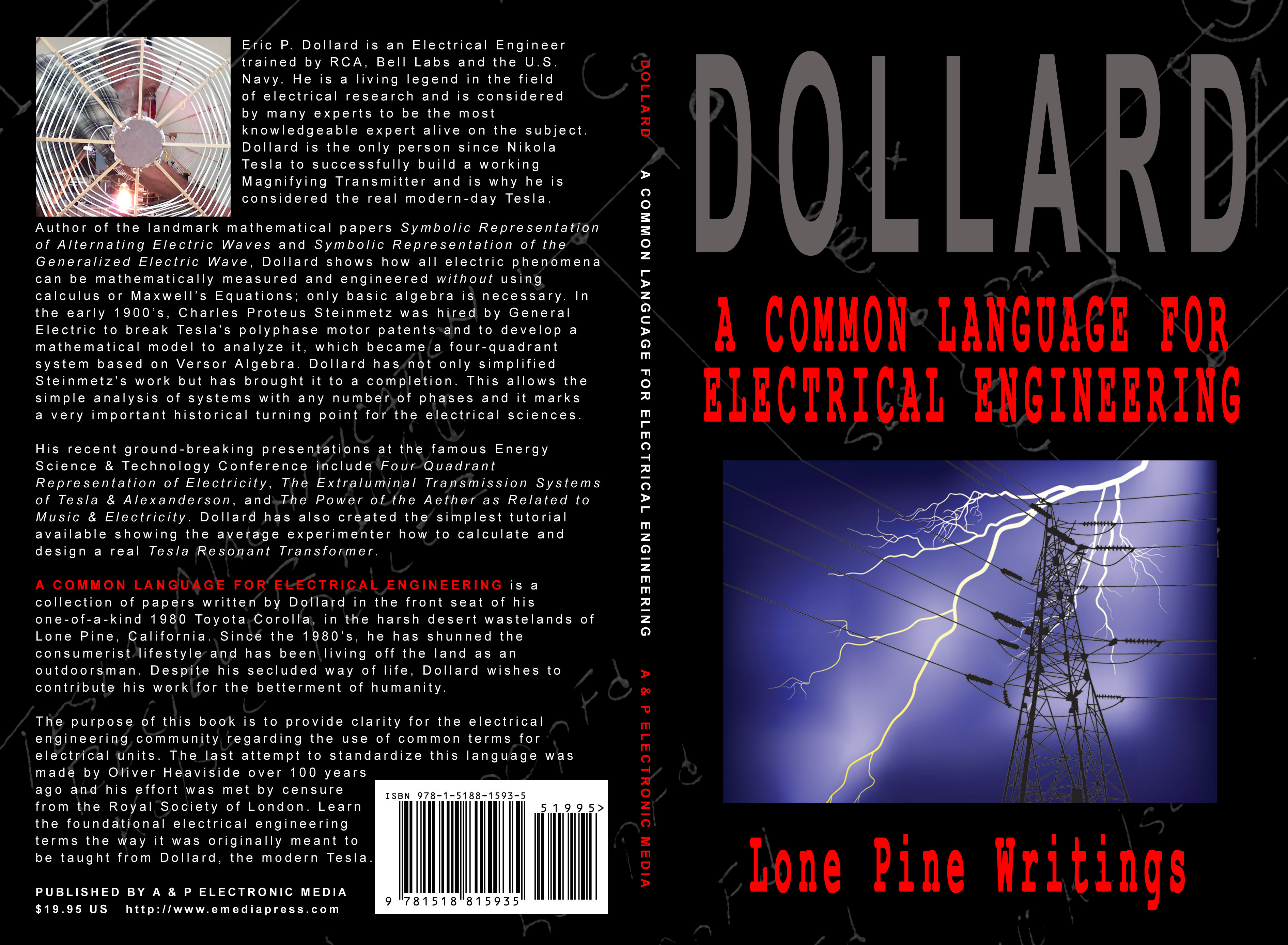
 A Common Language for Electrical Engineering – Lone Pine Writings